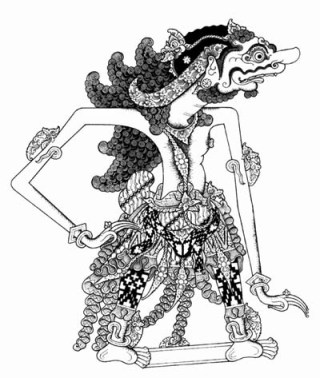
Wayang is more than just a form of entertainment—it is a profound cultural expression deeply rooted in Indonesian history, especially in Javanese tradition. The word “wayang” itself is often associated with various forms of theatrical performance, but most commonly, it refers to puppet theatre where the puppets become the central medium of storytelling. These performances are not only visually captivating but also rich in philosophical, moral, and spiritual values.
One of the most distinctive aspects of wayang performances is the accompaniment of a traditional Gamelan orchestra. The rhythmic and melodic sounds of gamelan create a magical atmosphere, guiding the emotions of the audience and enhancing the storytelling experience. The harmony between puppetry and music makes wayang a truly immersive art form.
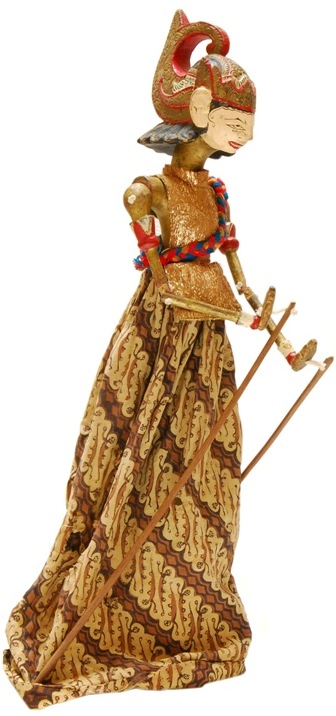
Indonesia’s cultural diversity is clearly reflected in the wide variety of wayang styles found across the archipelago. Among the most well-known is Wayang Kulit, which uses intricately carved leather puppets projected onto a screen with light to create shadows. Then there is Wayang Orang, where human actors take on the roles of traditional characters, bringing stories to life through dance and drama. Another popular form is Wayang Golek, characterized by its three-dimensional wooden puppets, often found in Sundanese culture.
Each type of wayang carries its own unique artistic style, storytelling method, and regional identity. Despite these differences, all forms share a common purpose: to convey moral lessons, preserve cultural values, and connect audiences with Indonesia’s rich heritage.
Wayang is not just an art form—it is a symbol of national identity. Recognized as an intangible cultural heritage, it holds a special place in the hearts of Indonesians. In a rapidly modernizing world, preserving wayang becomes increasingly important. It serves as a reminder of the country’s roots, traditions, and the wisdom passed down through generations.
This art form continues to inspire creativity and admiration. Its intricate designs, meaningful stories, and cultural depth offer endless inspiration for artists, designers, and audiences alike. Wayang is truly a treasure—one that must be protected, appreciated, and passed on to future generations.
-->

.